Fitzrovia removals guide for Charlotte Street and Rathbone Place
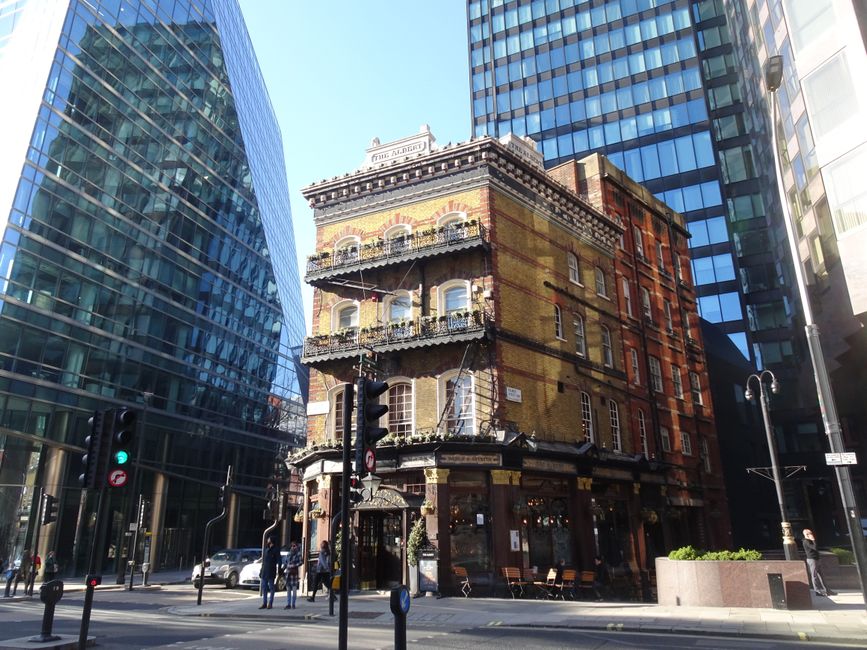
If you are planning a move around Charlotte Street or Rathbone Place, you already know this part of Fitzrovia can be wonderfully convenient and mildly awkward at the same time. Narrow roads, busy pavements, tight building access, lift schedules, loading pressure, and the usual London timing puzzle can make even a simple move feel a bit more involved than expected. This Fitzrovia removals guide for Charlotte Street and Rathbone Place walks you through the practical side of moving well: what to expect, how to prepare, where the common snags appear, and how to keep the day calm rather than chaotic.
Whether you are leaving a flat, moving into a townhouse conversion, relocating a small office, or just trying to get a sofa out without blocking half the street, the details matter. A good plan saves time, protects your belongings, and takes the edge off the whole experience. And yes, it really can make that much difference.
Why Fitzrovia removals guide for Charlotte Street and Rathbone Place Matters
Charlotte Street and Rathbone Place sit in one of central London's busiest little pockets, and that changes how removals need to be handled. In a quieter suburb, you can sometimes afford to improvise. Here, you usually cannot. Traffic builds quickly, parking is limited, and access can change from one property to the next. A third-floor flat with a narrow stairwell needs a very different approach from a ground-floor office with a courtyard entrance.
This is why a local, Fitzrovia-specific plan matters. It helps you think through the things people often forget until the van is already outside: where the vehicle will stop, whether the lift must be booked, how long carry distances are, and what should be packed separately so the first hour of the move does not become a scavenger hunt.
To be fair, many moving problems are not dramatic. They are just little frictions that pile up. A missing parking space. A box that is too heavy. A hallway with a corner that will not forgive a bad angle. Charlotte Street and Rathbone Place have plenty of those small details, so the goal is not perfection. It is control.
If you are comparing moving support, you may also want to look at removals, man and van, or broader removal services depending on the size of the move and how much help you want on the day.
How Fitzrovia removals guide for Charlotte Street and Rathbone Place Works
A good Fitzrovia move tends to follow the same basic pattern, though the execution changes depending on the building, the timing, and the amount of furniture you have. First comes the survey or move assessment. Then comes packing, access planning, vehicle selection, and loading. Finally, there is the actual transport and the unload at the destination.
The guide works by breaking the move into decision points. Instead of treating it as one big event, you divide it into manageable pieces:
- What needs moving and what can be sold, stored, recycled, or left behind
- Whether you need a small van, a larger removal van, or something closer to moving truck capacity
- How far the team must carry items from the property to the vehicle
- Whether your move is a house move, a flat move, or a commercial move
- Whether packing support or furniture handling is needed
The reason this matters is simple: the wrong setup costs time. A cramped vehicle means more trips. Poor packing means more breakage risk. Weak access planning means the van is parked too far away and your best-mapped timing goes out the window. The good news? Most of this is avoidable with decent preparation.
For some households, the right option is a straightforward man with van style move. For others, especially bigger homes or more delicate belongings, a more structured service such as house removals or flat removals makes far more sense.
Key Benefits and Practical Advantages
When a move is planned properly, you notice the benefit almost immediately. The packing feels less frantic. The handover is cleaner. The stress level drops. Sounds obvious, but that matters on moving day when you are trying to find keys, chargers, and the kettle all at once.
Here are the main practical advantages of using a Fitzrovia-focused removals plan:
- Better route and access planning: you are more likely to avoid delays caused by road conditions, loading restrictions, or building entry issues.
- More suitable vehicle choice: the van or truck matches the job, which reduces repeat trips and wasted labour.
- Less damage risk: fragile items, narrow stairways, and awkward furniture are handled with the right method from the start.
- Smoother packing: the process becomes staged and organised instead of random.
- Cleaner budget control: when the scope is clear, you are less likely to pay for avoidable extra time.
There is also a softer benefit that people often underestimate: confidence. Once you know the access plan, packing order, and vehicle size, the move stops feeling mysterious. You can breathe a bit. And let's face it, that is worth quite a lot in central London.
For people moving on a budget, a well-matched quote often depends on clarity. Services such as pricing and quotes can help you compare options in a more grounded way, especially if you are unsure whether your move is simple enough for a van or complex enough to need a bigger team.
Who This Is For and When It Makes Sense
This guide is useful for anyone moving in or around the Fitzrovia streets near Charlotte Street and Rathbone Place, but a few groups will find it especially relevant.
People moving between flats
Fitzrovia is full of apartment-style living, conversions, and multi-storey buildings. That means stair turns, narrow communal areas, lift booking, and awkward furniture angles are all part of the reality. If that sounds familiar, this guide will save you a headache or two.
Households with fragile or bulky furniture
If you have a piano, heavy wardrobe, mirror, or antique cabinet, you need extra care. In those cases, specialist options like piano removals or furniture removals may be the more sensible route.
Students and short-term renters
Student moves are often smaller, faster, and more timing-sensitive. You might have one weekend, a couple of boxes, and a few odd-shaped items. A light-touch service like student removals can work well when you want speed without overpaying for capacity you will not use.
Businesses and small offices
Charlotte Street and Rathbone Place are close to creative studios, offices, and professional spaces that cannot afford long downtime. In those cases, a planned commercial move matters more than ever. If that is your situation, look at commercial moves or office removals.
Last-minute movers
Sometimes life does what life does. Keys are delayed. A tenancy ends sooner than expected. A landlord changes a handover time. If you are in that boat, same-day support can be the difference between a controlled move and a scramble, so same-day removals may be worth considering.
Step-by-Step Guidance
Here is the practical version. Not theory. Not "in an ideal world." Just the steps that usually keep a Fitzrovia move on track.
- List everything that is moving. Write it room by room. It sounds basic, but basic is good. Separate large furniture, fragile items, documents, and anything that needs special handling.
- Measure the awkward items. If a sofa, desk, or bed frame needs to navigate a turn or lift, measure it. Don't guess. Guessing is how people end up carrying a mattress at a frankly ridiculous angle.
- Check access at both ends. Note floor level, lift availability, entrance width, door codes, and any restrictions on stopping close to the building.
- Choose the right level of support. A small move may suit a van-based service, while a bigger property may need full house removalists or a larger team.
- Pack by priority, not by mood. Essentials first, then room by room, then items that can wait. Use clear labels. Future-you will be grateful.
- Prepare a first-night box. Include phone charger, toiletries, tea, kettle supplies, basic tools, medication, and spare keys. If you know, you know.
- Plan the loading order. Heavy items go in first, fragile items are protected and placed to avoid crushing, and frequently needed boxes stay accessible.
- Confirm the moving window. Avoid vague timing where possible. In central London, ten minutes can matter more than you think.
If you need help with the packing side of things, services such as packing and boxes or packing and unpacking services can make a big difference, especially when you are short on time or moving fragile items.
A small but useful habit: keep documents, valuables, and medications in one bag that stays with you. No exceptions. That one simple rule prevents a surprising number of moving-day dramas.
Expert Tips for Better Results
After enough moves, certain patterns become obvious. The best ones are not glamorous, just efficient.
- Use fewer, stronger boxes. Overpacking cheap boxes is one of the quickest ways to create a painful carry and a box failure halfway up the stairs.
- Wrap furniture before moving it. Even simple blankets or protective covers can stop scratches on door frames and polished wood.
- Label by room and urgency. "Kitchen - Open first" is much more useful than "Misc." Be honest.
- Disassemble only what helps. Some furniture is easier and safer to move in sections, but over-disassembly can waste time.
- Leave space for walking. In tight Fitzrovia corridors, a clear route is half the battle.
- Keep one trolley or strap set in mind. If the move includes heavier items, the right handling equipment saves backs and walls.
One small real-world observation: on a wet London morning, a clean entrance mat and a few extra cloths can stop mud from travelling through the whole property. That sounds trivial until it is your floor.
When in doubt, ask the moving team what they recommend for your specific property type. The best movers do not just load boxes. They notice the weird details before the weird details become problems.
Common Mistakes to Avoid
Most moving mishaps are predictable. That is the annoying part. The good news is that predictable problems are easier to avoid than sudden ones.
- Underestimating access issues: a short road walk or narrow stairwell can change the whole schedule.
- Packing too late: last-minute packing nearly always leads to mixed boxes and missing essentials.
- Choosing the wrong vehicle size: too small means multiple trips; too large can complicate parking and loading.
- Ignoring building rules: some buildings require lift booking, loading slot coordination, or specific arrival times.
- Leaving bulky waste for the day of the move: it clutters the route and slows everyone down.
- Not protecting delicate items: mirrors, lamps, glass, and electronics deserve more than a hopeful layer of packing paper.
Another mistake, and a common one, is assuming all removal companies handle the same way. They do not. Some are better for compact local moves, some for full household relocations, and some for commercial work. It is worth checking what the team actually does best before you book.
If you want to avoid choosing blindly, start with broader removal companies and narrow the choice based on your property, access, and timing.
Tools, Resources and Recommendations
You do not need a van full of gadgets to move well. Still, a few tools make the process smoother and safer.
| Tool or resource | Why it helps | Best for |
|---|---|---|
| Strong boxes | Protects items and keeps stacking manageable | Books, kitchenware, personal items |
| Labels and marker pens | Makes unpacking far faster and less chaotic | Room-by-room organisation |
| Furniture blankets | Reduces scratches and minor impact damage | Tables, cabinets, wardrobes |
| Straps and trolleys | Improves handling for heavier items | Appliances, boxes, bulky furniture |
| Short-term storage | Gives you breathing room if dates do not line up cleanly | Gap moves, refurbishments, staged relocations |
If your move is not happening in one clean sweep, storage can be useful for bridging the gap between move-out and move-in dates. That is especially handy in central London where lease dates, keys, and handovers do not always align neatly. Real life, eh?
For people moving out of furnished properties or clearing items they no longer want, furniture pick up can help tidy up the final day rather than leaving old pieces behind. If the whole job needs heavier lifting, furniture removals is often the better fit.
Law, Compliance, Standards or Best Practice
For a local removal, most people are not worried about legal theory. They just want the move done safely and without hassle. Still, some UK best-practice points matter in real life.
First, moving teams should work safely around lifting, carrying, and vehicle loading. That means sensible handling, clear routes, and not asking people to lift awkward items in a way that creates unnecessary risk. A proper health and safety policy is a good sign that the business treats this seriously rather than casually.
Second, it is sensible to check insurance and safety arrangements before booking. Accidents are rare, but they are not mythical. Good operators are usually comfortable explaining how goods are protected and what happens if something unexpected occurs. If you want to understand the basics, the page on insurance and safety is a useful place to start.
Third, moving day also has a people side. Good businesses should be clear about service scope, payment expectations, and responsibilities. That is where terms and conditions and payment and security become relevant, even if they are not the most exciting reads in the world.
Finally, if your move creates waste, use a responsible approach. Reuse where possible, recycle where appropriate, and avoid dumping furniture just because it is inconvenient. A thoughtful approach to recycling and sustainability is better for the street, the building, and frankly your conscience too.
Options, Methods, or Comparison Table
Not every Fitzrovia move needs the same setup. Here is a simple comparison to help you think it through without getting lost in jargon.
| Option | Best for | Strengths | Watch out for |
|---|---|---|---|
| Man and van | Smaller local moves, student moves, light household loads | Flexible, usually efficient for short routes | May not suit large or highly fragile moves |
| Full removals service | Typical house or flat relocations | More support, better for organised loading | Needs clearer planning and scheduling |
| Office relocation support | Businesses, studios, and workspaces | Minimises downtime and keeps items grouped | Requires strong coordination at both ends |
| Storage-led move | Gapped dates or staged relocations | Helpful when access or handover timing is messy | Needs extra planning for retrieval and sequencing |
In practice, the right option usually depends on three things: volume, access, and urgency. If any of those three are difficult, the move becomes more complex. That is the honest answer, and it is usually enough to guide the decision.
Case Study or Real-World Example
A typical Fitzrovia move might look like this: a couple leaving a second-floor flat near Charlotte Street, with a sofa, double bed, boxes of books, a dining table, and a few fragile kitchen items. The building has a narrow stairwell and a lift that is small enough to make you think twice. The road outside is busy by mid-morning.
Instead of trying to do everything in one rushed block, the move is split into stages. Fragile boxes are packed first, furniture is wrapped, and the loading plan is mapped out before anyone starts carrying. The vehicle arrives during the quieter window, and the heaviest items go on first. The team keeps walkways clear, protects door frames, and avoids the classic "let's just place this here for a second" trap. That little second is how clutter multiplies.
By the time the final box is unloaded, the day has not been effortless, but it has been orderly. That is the real win. Not a perfect move. A clean one.
A slightly different example would be a small office near Rathbone Place moving desks, monitors, archive boxes, and a printer. In that case, the priority shifts from domestic packing to labelling, departmental grouping, and keeping downtime low. The same street-level challenges still apply, but the planning changes because business continuity matters.
Practical Checklist
Use this checklist in the days before the move. It is simple, but it catches most of the usual mistakes.
- Confirm the moving date, arrival window, and access arrangements
- Check whether the building needs lift booking or prior notice
- Measure large furniture and awkward items
- Decide what will be moved, stored, recycled, or discarded
- Pack a first-night box with essentials
- Label every box with room and contents
- Keep valuables and documents with you
- Protect floors, corners, and delicate finishes where needed
- Separate fragile items clearly
- Make sure keys, phone chargers, and contact details are easy to find
If you are moving out of a flat or smaller property, it may also help to review home moves and house removals so you can match the service level to your actual needs rather than just the idea of the move.
Conclusion
A move in Fitzrovia does not have to become a logistical drama. With the right planning, Charlotte Street and Rathbone Place are perfectly manageable, even with the usual central London quirks. The trick is to prepare for access, choose the right level of support, and keep the day structured enough that nothing important gets lost in the rush.
If you take anything from this guide, let it be this: a calm move is usually a prepared move. Not a lucky one. When the boxes are labelled, the route is clear, and the team knows what they are doing, the whole thing feels lighter. More human, even.
Get a free quote today and see how much you can save.
And if you are still at the planning stage, that is fine too. Take a breath, sort the details, and give yourself a little room to do it properly. Moving is never the most fun part of life, but it does not need to be the hardest either.
Frequently Asked Questions
What is the best type of service for a move around Charlotte Street or Rathbone Place?
It depends on the size of the move and how much help you want. Small local moves may suit a man and van setup, while larger flats or houses often work better with fuller removals support.
Is Fitzrovia difficult for removals?
It can be, mainly because of traffic, access, and parking pressure. That said, with proper planning it is very manageable. The streets are busy, not impossible.
Do I need packing help for a Fitzrovia flat move?
Not always, but packing help can be very useful if you have fragile items, limited time, or lots of books and kitchenware. Packing often takes longer than people expect.
How far in advance should I arrange removals?
As early as you can, especially if your move is timed around a tenancy, office handover, or building access window. Last-minute moves can happen, but early planning is easier on everyone.
What should I do with furniture I do not want to take?
Plan this before moving day. You may be able to reuse, donate, recycle, or have it removed as part of a furniture service. Leaving it until the last minute usually creates clutter and stress.
Can I book storage if my move dates do not line up?
Yes, storage can be a practical bridge when one property ends before the next begins. It is especially helpful when keys, refurbishments, or completions do not sync neatly.
Are office moves in Fitzrovia different from home moves?
Very much so. Office moves need stronger coordination around downtime, equipment handling, and item grouping. A commercial move is usually more about continuity than comfort.
What size van do I need?
That depends on how much you are moving, whether there are bulky items, and how many trips you want to avoid. The best way to judge it is by listing items honestly and checking access at both ends.
How can I reduce the risk of damage during the move?
Use proper packing, label fragile boxes clearly, wrap furniture, and make sure the loading route is clear. A careful loading order matters too, because crush damage is often preventable.
What if I need to move on short notice?
Short-notice moves happen more often than people admit. In those cases, same-day or urgent support can help, but you will still want to be as organised as possible with access and packing.
Should I choose a removal company or a man with van service?
If your move is modest and straightforward, a van-based service may be enough. If you have more furniture, tighter access, or a longer carry, a fuller removals option is usually safer and less stressful.
Is it worth using professional help for just a few items?
Often, yes. If the items are awkward, fragile, or heavy, the value is not just in transport. It is in not having to wrestle a sofa down a staircase on your own, which, honestly, is rarely a good time.