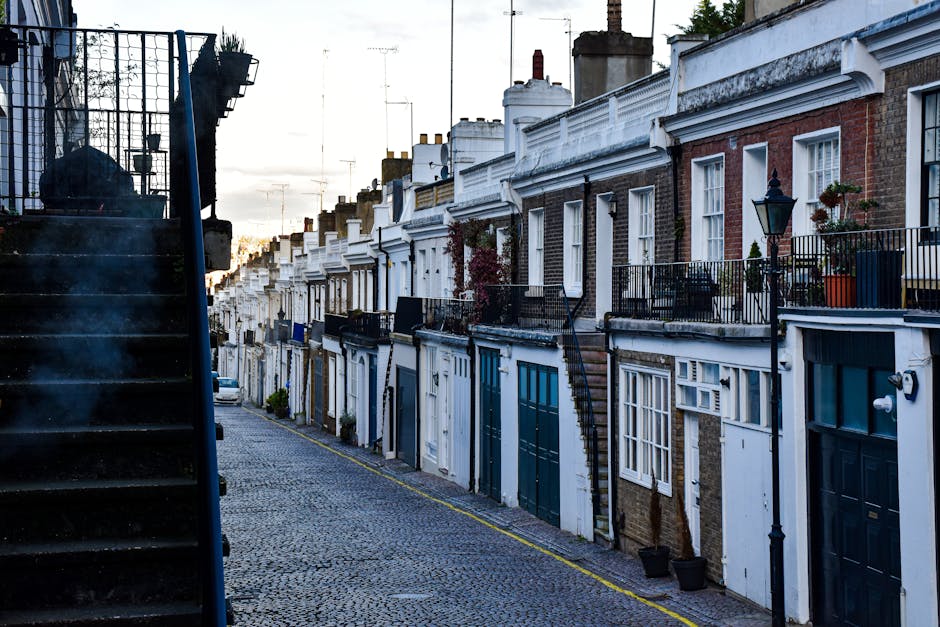
Case study small Fitzrovia flat removals with tight stairs success
Small flat moves can look simple on paper. Then you arrive in Fitzrovia, stare up a narrow stairwell, notice the awkward turn on the landing, and realise the sofa was probably designed by someone who never met a staircase. This case study small Fitzrovia flat removals with tight stairs success looks at exactly that kind of move: a compact London flat, limited access, careful planning, and a smooth finish despite the squeeze.
What makes these moves interesting is not just the lifting. It is the judgement behind it. The right vehicle, the right packing order, the right crew size, and a calm approach to access issues can turn a stressful day into a tidy, predictable move. In Fitzrovia, where period buildings, tight communal hallways, and busy streets are part of everyday life, that difference matters. A lot.
This article breaks down how a successful small flat removal with tight stairs is planned and delivered, what can go wrong, and how to avoid the classic headaches. If you are weighing up a move in W1 or simply trying to understand what a careful removals team actually does, you are in the right place.
Table of Contents
- Why This Kind of Move Matters
- How the Process Works
- Key Benefits and Practical Advantages
- Who This Is For and When It Makes Sense
- Step-by-Step Guidance
- Expert Tips for Better Results
- Common Mistakes to Avoid
- Tools, Resources and Recommendations
- Law, Compliance, Standards, or Best Practice
- Options, Methods, or Comparison Table
- Case Study or Real-World Example
- Practical Checklist
- Conclusion
- Frequently Asked Questions
Why Case study small Fitzrovia flat removals with tight stairs success Matters
Small flat removals are often underestimated because the volume of belongings is modest. But a compact inventory does not mean a compact challenge. In Fitzrovia, stairs can be narrow, turns can be tight, and shared entrances can be unforgiving. One heavy wardrobe or bulky mattress can become the main event. That is why a successful move here is worth studying.
When access is awkward, the margin for error shrinks. A careless lift can scrape walls, damage banisters, or stall the move while everyone stands around trying to rotate a sofa that simply will not cooperate. You do not need drama on moving day. You need a plan that respects the building, the neighbours, and your own schedule.
There is also a time and cost angle. A well-planned move through tight stairs tends to reduce delay, reduce handling mistakes, and lower the risk of avoidable damage. That matters if you are balancing a checkout deadline, a new tenancy, or a same-day handover. Truth be told, most people remember a move by the awkward parts. The more those are controlled, the better the day feels.
If you want broader context on how a service is structured, the general flat removals page gives a useful overview of what is typically included in compact home moves.
How Case study small Fitzrovia flat removals with tight stairs success Works
The process usually begins before anyone lifts a box. A proper assessment looks at access, item sizes, staircase width, landing turns, parking conditions, and the practical order of loading. In a Fitzrovia flat, the building layout often determines the method more than the inventory list does.
Here is the basic logic:
- Measure the awkward parts first. Stairs, doorways, and tight corners are checked before the move starts, not midway through a struggle.
- Plan the item order. The bulkiest items are identified early so they can be removed before the crew fills the hall with smaller boxes.
- Protect the property. Door frames, bannisters, and floors are covered where appropriate to reduce scuffs and impact.
- Use the right handling method. Some items are carried upright, some sideways, and some simply need more than one person. There is no prize for improvising badly.
- Load the vehicle efficiently. A well-organised van reduces rehandling and keeps fragile items safer.
The move is then paced around the building rather than rushed against it. That is the key. Tight stairs punish haste. A patient, steady rhythm usually wins. And yes, sometimes the job is less about strength than about geometry. A sofa will tell you very quickly if the angle is wrong.
If packing support is needed, the dedicated packing and boxes service can make a real difference, especially when items need to be stacked and carried in a controlled sequence.
Key Benefits and Practical Advantages
There are a few strong reasons why a well-run small flat removal with tricky stairs stands out. It is not only about getting things from A to B. It is about doing it neatly, with less stress than most people expect from a London move.
- Lower risk of damage: Careful lifting and route planning reduce knocks to furniture and the building.
- Better use of time: A crew that understands access problems wastes less time figuring things out on the spot.
- Less stress on moving day: Knowing the stairs have been considered in advance takes a lot off your mind.
- Cleaner handover: A move that avoids damage helps keep landlords, managing agents, and neighbours happier.
- More predictable costs: Fewer delays and fewer surprises usually mean a more controlled final bill.
There is also a softer benefit that people sometimes overlook. A move that feels organised gives you space to think. You can focus on settling into the new place, not on whether the wardrobe is wedged halfway down a landing. That feeling is worth something, honestly.
For larger or more mixed inventory moves, some customers compare removal services to see which option fits a compact Fitzrovia move best.
Who This Is For and When It Makes Sense
This kind of move is especially relevant if you are in a small flat, studio, or one-bedroom property with tight internal access. It is also a strong fit when the building has no lift, or the lift is too small to be useful for larger items. Fitzrovia has plenty of buildings where the stairs are steep enough to make you briefly question architecture itself. Still, it can be managed well.
It makes sense for:
- tenants moving out of compact central London flats
- people moving into period properties with narrow staircases
- students or young professionals relocating with limited furniture
- households that need a careful, time-sensitive move
- anyone with larger items in a small property, such as beds, wardrobes, or sofas
It may also suit you if you are moving on a weekday and need the job completed efficiently without upsetting the whole staircase. Let's face it, nobody wants to be the person blocking the only access route in a shared building at 8:15 in the morning.
If you are still deciding between light removals and a more standard move, the man with van option can be a practical middle ground for smaller Fitzrovia jobs.
Step-by-Step Guidance
Here is the practical sequence that tends to work best for a small flat with awkward stairs. Simple in theory, but details matter.
1. Survey the access properly
Before moving day, check the stair width, ceiling height, handrails, and any bends or tight landings. Measure the larger furniture items too. It sounds obvious, yet this is where many problems begin. A sofa that is only a little too wide can become a surprisingly large problem very quickly.
2. Decide what should be dismantled
Disassemble beds, tables, and modular furniture where possible. Removing legs, shelves, or headboards can turn a stubborn item into a manageable one. The best time to do this is before the hall is full of boxes and everyone is already carrying something.
3. Pack for sequence, not just safety
In tight-access moves, packing order matters. Put the largest and most awkward items first in the plan, not last. Keep lighter boxes easy to stack. Put essential items somewhere you can reach them quickly when you arrive. You do not want a kettle buried under winter coats and three lamps.
4. Protect the route
Use floor protection and padding where appropriate, especially around corners, rails, and door frames. A good move is as much about preserving the property as it is about relocating the contents.
5. Move in stages
Do not crowd the staircase. A controlled, one-item-at-a-time approach is usually safer than trying to rush several items through at once. A small flat move often goes faster when it looks slower at first. Strange, but true.
6. Load the van with the destination in mind
Items that will be needed first at the new place should be accessible on unloading. Fragile or valuable items should be secured so they do not shift. Good loading is one of those things people only notice when it is done badly.
7. Check the final spaces before leaving
Take a final look through cupboards, under beds, behind doors, and on shelves. Tight-stair moves are intense enough that people sometimes forget small things in plain sight. Happens all the time.
For people who want an even smoother experience, packing and unpacking services can remove a lot of pressure at both ends of the move.
Expert Tips for Better Results
There are a few practical habits that make a big difference on jobs like this. These are the kinds of details that experienced teams tend to respect instinctively.
- Use smaller boxes for books. Heavy boxes are harder to carry on stairs and more likely to strain the person carrying them.
- Keep one person free when possible. Someone who can spot walls, corners, and foot placement is genuinely useful.
- Wrap items with awkward edges. Corners on tables, shelving, and bed frames love to catch on stair rails.
- Choose the right shoes. Grip matters. Slippy soles and steep stairs are not a charming combination.
- Do a quick hallway check before each carry. Doors left open at the wrong angle can slow everything down.
- Have a clear landing zone at both ends. A cluttered start or finish point creates avoidable bottlenecks.
One useful local observation: in central London buildings, people are often trying to use the same entrance, lift, or shared passage at the same time. A polite, compact, well-timed move tends to go down much better than a noisy one. Small courtesies matter more than people admit.
If sustainability matters to you, the company's recycling and sustainability information is worth reviewing, especially when you are discarding unwanted items during a move.
Common Mistakes to Avoid
The biggest mistakes in tight-stairs removals are usually simple, not dramatic. That is what makes them so frustrating.
- Underestimating the staircase: If the stairwell is narrow, treat it as the main constraint from the beginning.
- Leaving packing too late: Rushed packing creates bulky, uneven boxes and slows the whole job.
- Not measuring large furniture: Guesswork is not a strategy. It can be tempting, though.
- Blocking shared access: In Fitzrovia, shared hallways and entrances need respectful handling.
- Ignoring parking or loading access: Even a perfect internal plan can be slowed if the van cannot get close enough.
- Trying to carry too much at once: That is how things get scraped, strained, or dropped.
Another common issue is assuming the shortest route is the best route. Sometimes the cleaner route is slightly longer but easier to manage. It may feel less efficient in the moment, yet it usually saves time overall. A move on tight stairs rewards calm judgement, not bravado.
To avoid budgeting surprises, the pricing and quotes page is a helpful place to understand how moving jobs are typically assessed.
Tools, Resources and Recommendations
You do not need a van full of specialist kit for every small flat move, but the right basic tools help a great deal. In practical terms, the difference often comes down to control and protection.
| Tool or resource | Why it helps | Best used for |
|---|---|---|
| Furniture blankets | Protects surfaces from scuffs and knocks | Sofas, tables, wardrobes |
| Removal straps | Improves grip and balance on stairs | Bulky or heavy items |
| Labels and tape | Speeds unpacking and prevents confusion | Boxes and room sorting |
| Floor protection | Reduces wear on communal floors | Hallways and entrance routes |
| Disassembly tools | Makes awkward furniture manageable | Beds, shelving, flat-pack pieces |
For people with heavier items or mixed furniture, browsing furniture removals can help clarify what can be taken apart, wrapped, or carried as-is.
It is also worth thinking about temporary storage if your dates do not line up neatly. A few days in storage can remove pressure from a move that would otherwise be trying to do everything at once. Not glamorous, but practical.
Law, Compliance, Standards, or Best Practice
For this type of move, the main compliance concerns are practical rather than dramatic. In the UK, safe lifting, careful handling, and respect for building access rules are the everyday standards that matter most. You want a crew that works sensibly, pays attention to risk, and does not treat shared property like an obstacle course.
Good practice usually includes:
- reasonable manual handling precautions
- clear communication about access, stairs, and larger items
- careful protection of property where needed
- appropriate insurance arrangements for the work being carried out
- respect for parking, loading, and building rules where applicable
It is sensible to ask about insurance and safety arrangements before booking. That is not being awkward; that is being sensible. For confidence on that point, you can review the company's insurance and safety information and its health and safety policy.
If you live in a managed block, check any move-in or move-out instructions from the building side as well. Some properties are stricter about lift booking, floor protection, or time windows. The earlier you know, the easier it is to plan.
Options, Methods, or Comparison Table
Not every small Fitzrovia flat move needs the same approach. The best method depends on access, inventory size, and how much help you want on the day.
| Method | Best for | Pros | Trade-offs |
|---|---|---|---|
| Self-move | Very small loads and flexible timing | Lowest service cost, full control | Highest effort, more risk on tight stairs |
| Man and van | Small to medium flat moves | Flexible, practical, good for compact access | May require more self-packing |
| Full removals team | Heavier or more awkward moves | More support, better handling, less stress | Usually higher cost |
For a small flat with tight stairs, a flexible man and van setup is often the sweet spot. That said, if the move includes more furniture than it first appears, a larger team can be the safer choice. The "cheapest" option is not always the cheapest once time, strain, and potential damage are counted in. A bit awkward to hear, but true.
Case Study or Real-World Example
Here is a realistic example of how a successful small Fitzrovia flat move can unfold.
A tenant in a second-floor flat needed to move out of a compact one-bedroom property with a steep internal staircase and a narrow turn at the landing. The main challenges were a double bed frame, a wardrobe, a sofa, several boxes of books, and limited hallway space. The building had shared access, so keeping disruption low mattered.
The move was handled in a few sensible stages. First, the large furniture was assessed against the stair dimensions. The bed frame was dismantled, the wardrobe shelves were removed, and the sofa was carried with two people at a carefully controlled angle. Boxes were grouped by weight, with heavy items separated from lighter ones to make stair carrying safer. Door frames and key corners were protected, and the team worked in a steady rhythm rather than trying to rush the landing.
The result was straightforward but important: no damage to the building, no awkward delays on the stairs, and no need for last-minute improvisation. The real success was that nothing felt dramatic. Everything just worked. And in removals, especially in a Fitzrovia staircase, that is a very good sign.
For people moving on short notice, the same-day removals option can also be useful when timing is tight and the inventory is manageable.
Expert summary: The best small-flat removals in Fitzrovia are not necessarily the fastest ones on the clock. They are the ones that treat access as the central problem, prepare properly, and move with calm control. That is what makes tight stairs manageable.
Practical Checklist
Use this checklist if you are preparing a small flat move with awkward stairs. It keeps the day grounded and reduces silly mistakes.
- Measure stair width, turns, and landings
- Measure sofas, mattresses, wardrobes, and tables
- Decide what to dismantle before moving day
- Pack heavy items into smaller boxes
- Label boxes by room and priority
- Clear hallways, doorways, and landings
- Protect floors and vulnerable corners where needed
- Confirm parking or loading arrangements
- Check access times and building rules
- Set aside essentials for the first night
- Review insurance and safety details
- Do a final sweep of cupboards, shelves, and storage spots
A short checklist like this can save a surprising amount of stress. It is the kind of thing you glance at once, then again when the kettle has disappeared into a box and everyone is suddenly looking for tape. Happens every time, nearly.
Conclusion
A successful small Fitzrovia flat removal with tight stairs comes down to planning, patience, and the right setup. The move may be compact, but the access challenge can be real. When the staircase is narrow and the furniture is awkward, the smart approach is to slow the process down just enough to make it safer and smoother.
If you remember one thing, let it be this: in a building like this, the route matters as much as the load. Measure properly, pack sensibly, protect the property, and choose a method that matches the reality of the stairwell. That is how a tricky move turns into an ordinary day, which is exactly what you want.
Get a free quote today and see how much you can save.
And if you are still at the planning stage, take your time. A well-handled move has a quiet kind of beauty to it. One less thing to worry about, and one more fresh start done properly.
Frequently Asked Questions
How do you move furniture up narrow Fitzrovia stairs?
The safest method is usually to measure the furniture and staircase first, then decide whether the item should be dismantled, carried by two people, or protected with padding. Slow and steady is better than forcing a bad angle.
What is the hardest item to move in a small flat with tight stairs?
Large sofas, mattresses, wardrobes, and bed frames are usually the biggest challenge. Their shape, not just their weight, makes the stairs difficult.
Do small flat removals in Fitzrovia need special planning?
Yes, because access often matters more than volume. Narrow stairs, shared entrances, and parking constraints can all affect the move, even if the property itself is small.
Can a man and van handle a flat with tight stairs?
Often yes, if the load is modest and the items are suitable for manual handling. For heavier or more awkward furniture, a larger removals setup may be safer.
Should I dismantle furniture before moving day?
Usually, yes. Dismantling beds, shelving, and some tables often makes a big difference on narrow staircases. It also reduces the risk of scuffs and stuck corners.
How can I reduce the risk of damage during the move?
Protect corners, cover floors where needed, use proper lifting technique, and avoid rushing. A clear route and good communication help more than people expect.
What should I do if the staircase is too tight for a sofa?
Check whether the sofa can be tilted, partially dismantled, or carried through a different route. If it still will not fit, you may need to consider storage, replacement, or a more specialised handling method.
Is it worth getting packing help for a small move?
It can be, especially if you are short on time or moving fragile items. Packing help can also make stair carrying easier because boxes are more consistent and manageable.
How early should I book a removals team for Fitzrovia?
As early as you can, especially if your move involves access restrictions, weekday timing, or busy periods. Early booking gives you more room to plan the awkward bits properly.
What information should I give a removals company before the job?
Share the flat size, stair details, item list, access issues, parking notes, and any fragile or oversized furniture. The more accurate the information, the better the plan.
Are insurance and safety checks really necessary for a small move?
They are. Even a small move can involve property damage or manual handling risks. It is sensible to confirm the company's approach before the day arrives.
What makes a Fitzrovia flat move different from other London moves?
Period buildings, tight stairs, shared access, and busy central streets can make the logistics more demanding. The move may be small, but the access conditions can be tricky enough to need proper planning.